

The Day David Defeated Goliath: How Seiko Forever Changed the Rules of the Game
Tokyo, December 25, 1969. Christmas Day.
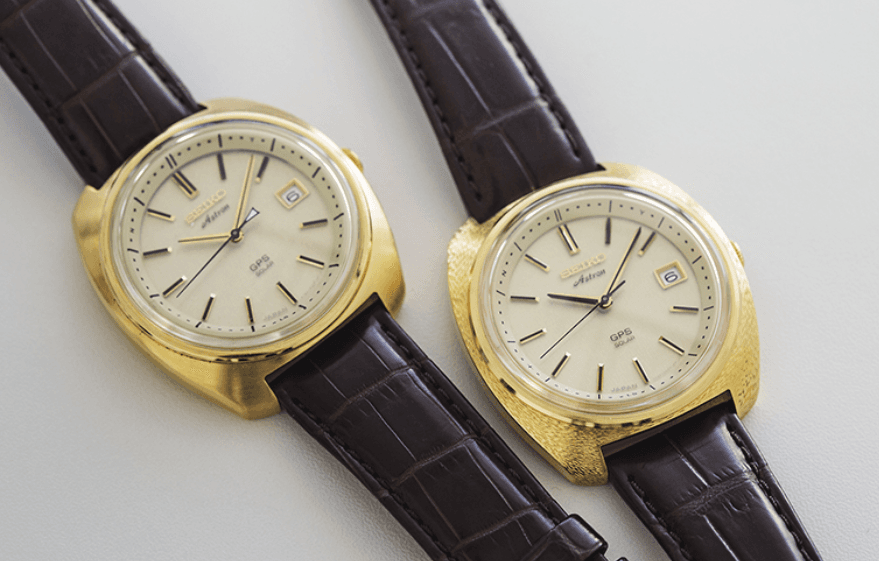
While the Western world celebrated the holidays, a small group of Japanese engineers quietly unveiled a watch that cost as much as a brand-new Toyota Corolla. The Seiko Quartz Astron 35SQ wasn’t just another expensive timepiece; it was a declaration of war. Within its case, a quartz crystal vibrated 8,192 times per second, marking the beginning of the end for centuries of Swiss hegemony.
But the real story begins much earlier, in 1881, when a 21-year-old named Kintaro Hattori opened a modest watch repair shop in Tokyo. His motto was simple yet prophetic: “Always one step ahead of the rest.” Not in his most ambitious dreams could he have imagined that his small business would eventually bring the entire European watch industry to its knees.
From Merchant to Revolutionary: The Birth of an Empire
Japan in 1881 was a country undergoing radical transformation. The Meiji era had opened the doors to the West after centuries of isolation, and mechanical watches were exotic symbols of modernity, imported exclusively from Europe and America. Hattori didn’t just want to sell them; he wanted to make them.
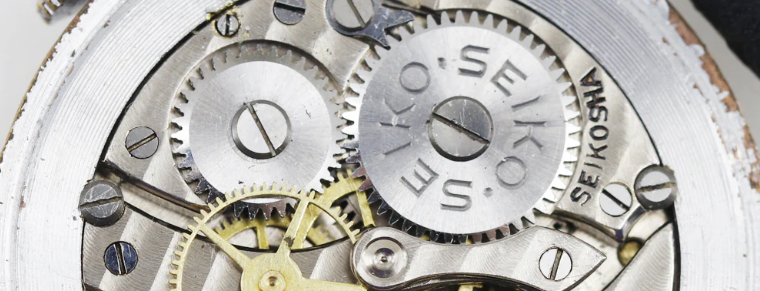
In 1892, he founded Seikosha (精工舎), the “House of Exquisite Workmanship.” The name was no accident. In Japanese, “Seiko” means both “exquisite” and “success”—a duality that would define the brand’s destiny.
The true masterstroke came in 1913 with the Laurel, the first wristwatch manufactured in Japan. To put this in perspective: at that time, even in Europe, gentlemen still considered wristwatches to be “ladies’ jewelry.” Hattori wasn’t just catching up to the West; in certain aspects, he was surpassing it.
The Battle of Internal Titans: When Competition is Born at Home
One of the most fascinating—and least known—chapters in Seiko’s history occurred in the 1960s. The company decided to create two luxury lines that would compete against each other: Grand Seiko and King Seiko.
Grand Seiko vs King Seiko: The Fraternal Duel
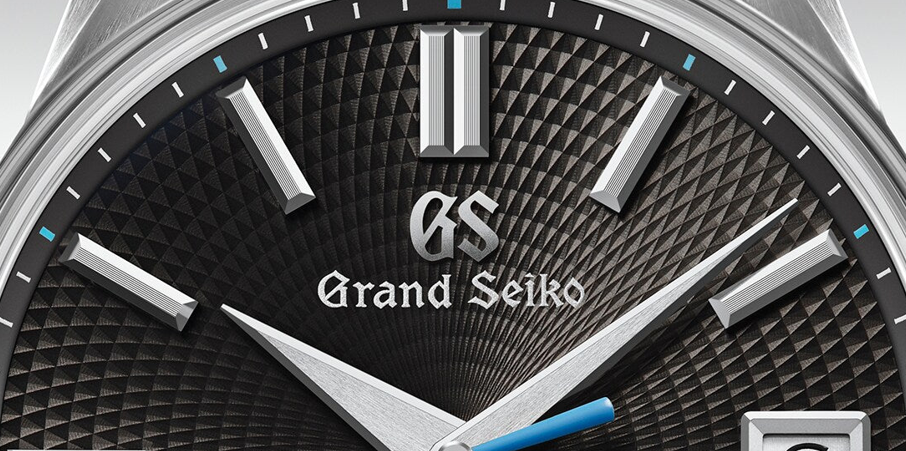
Imagine Ferrari creating two Formula 1 teams to compete against each other. That’s exactly what Seiko did. Grand Seiko was born in 1960 with an impossible mission: to match or surpass the finest Swiss chronometers. Its first model achieved a precision of +12 to -3 seconds per day, meeting Geneva standards.
A year later, the Daini Seikosha division struck back with King Seiko. Though technically the “second line,” King Seiko developed bolder, more original designs, creating an internal rivalry that would elevate the standards of both divisions to extraordinary levels.
This fraternal competition produced some of the most refined mechanical movements ever created outside Switzerland. The results were so spectacular that in 1966, Grand Seiko established its own certification standards, more demanding than the Swiss ones.
The Quartz Tsunami: When 8,192 Vibrations Changed Everything
Let’s return to that Christmas Day in 1969. The Astron wasn’t simply more accurate than mechanical watches; it was 100 times more accurate. While a fine Swiss chronometer might vary by 5 seconds per day, the Astron varied by 5 seconds... per month.
But here comes the most extraordinary part: after developing this revolutionary technology, Seiko did something unthinkable. They opened their patents to the world. Instead of monopolizing quartz, they decided to democratize it. It was as if Coca-Cola had published their secret formula.
Why did they do it? The answer reveals the Japanese philosophy of Monozukuri—the art of making things not just well, but in a way that benefits society. Seiko didn’t just want to win; they wanted to elevate the global standard of timekeeping.
The Anonymous Heroes: Watches That Went to War (Literally)
While Grand Seiko conquered the wrists of executives, another line of Seiko watches was writing history on battlefields and in ocean depths.
The Turtle: The Navy SEALs’ Watch
The Seiko 6309 “Turtle” (1976) owes its nickname to its characteristic cushion shape reminiscent of a tortoise shell. But don’t be fooled by the cute name: this watch was massively adopted by U.S. Navy SEALs in Vietnam and subsequent conflicts.
Its robustness was legendary. There are documented stories of Turtles that survived IED explosions, dives to impossible depths, and decades of service without maintenance. One veteran reported that his 6309 kept running after a bullet partially pierced through it.
The Monster Series: When Design Goes Wild
In 2000, Seiko launched something completely different: the “Monster.” With a serrated bezel that looked like a circular saw and an aggressive aesthetic that defied all conventions, the Monster became a cult phenomenon. It was the antithesis of Swiss minimalism: brutal, functional, and strangely beautiful.
The Spring Drive: The Mechanical-Electronic Symphony
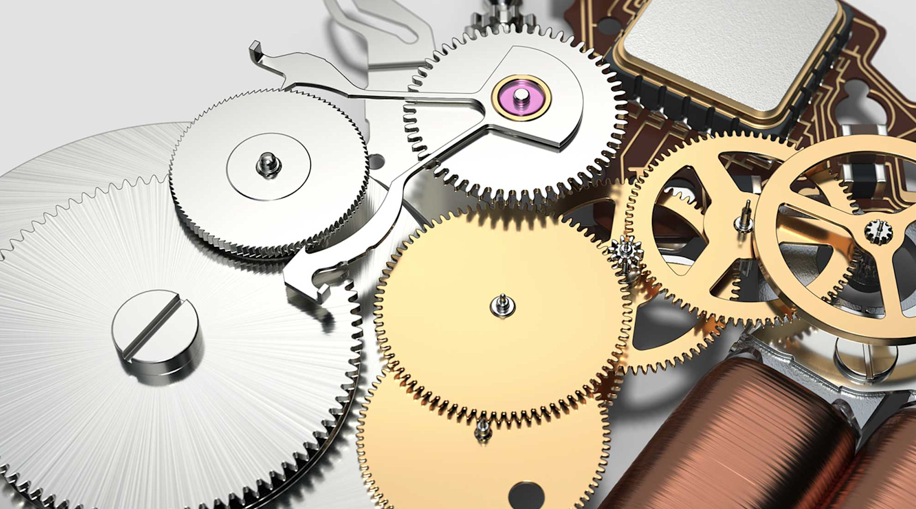
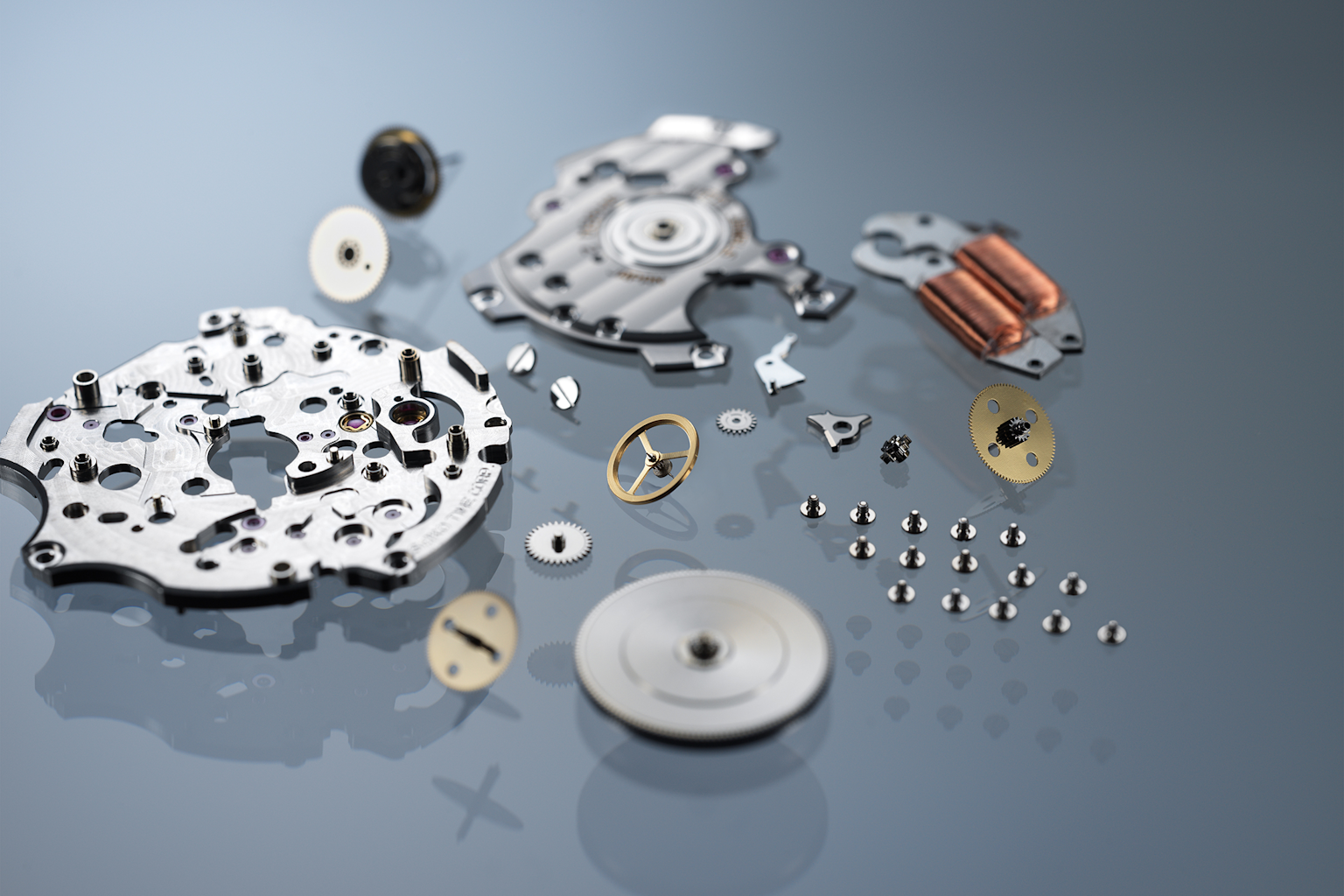
After 28 years and more than 600 prototypes, Seiko presented in 1999 something that shouldn’t exist according to the laws of traditional watchmaking: the Spring Drive.
The inspiration came from something mundane: engineer Yoshikazu Akahane observed a bicycle descending a hill at constant speed thanks to braking. “What if we could electromagnetically brake a real mainspring?” he thought.
The result was an impossible hybrid: mechanical energy regulated by quartz. It’s not mechanical. It’s not quartz. It’s both and neither at once. The second hand doesn’t tick; it flows in a hypnotic continuous movement that represents the actual passage of time.
The Overlooked Legacy: Why Your Smartphone Exists Thanks to Seiko
Here’s something you probably didn’t know: Seiko Epson, the printer company, was born from Seiko’s watch department. The same miniaturization and precision technologies they developed for watches were applied to printers, and eventually to semiconductors.
Those same principles of extreme miniaturization that allowed them to deploy 1,278 timing instruments at the 1964 Tokyo Olympics eventually contributed to the development of the technology that makes your smartphone possible.
A Reflection on Time and True Elegance
Seiko’s story teaches us that true timeless elegance doesn’t reside in exclusivity or price, but in the perfect fusion of form, function, and innovation. A 1960 Grand Seiko and a battered ‘70s Turtle share the same essence: they are objects created with clear purpose, executed with mastery, and designed to transcend their era.
At KLASSE, we celebrate this philosophy. Every vintage Seiko that passes through our hands—whether an elegant King Seiko or a robust Monster—tells a story of innovation without complexes, of David facing Goliath, of a small shop in Tokyo that dared to dream it could change the world.
And it did. Always one step ahead of the rest.
Do you have a Seiko with a story? Did you know about the Grand Seiko vs King Seiko rivalry? I’d love to hear about your experience with these Japanese icons in the comments.
Cartas sobre relojería, de tanto en tanto.
Sin spam. Baja cuando quieras. Privacidad.